
Difference between latte espresso and cappuccino
Latte vs Espresso vs Cappuccino: What's the Difference? A Complete Coffee Lover's Guide
If you've ever stood in a coffee shop staring at the menu and wondering whether to order a latte, espresso, or cappuccino, you're not alone. These three drinks appear similar at first glance, but they differ in taste, texture, milk content, strength, and overall drinking experience. Understanding the differences helps you choose the right drink based on your mood, caffeine preference, and flavor profile. Whether you're brewing coffee at home or visiting Zelda Coffee Bar, knowing what goes into each beverage makes every cup more enjoyable. In this guide, we'll break down the real differences between espresso, latte, and cappuccino using trusted coffee knowledge, practical brewing tips, and delicious recipes you can recreate at home.
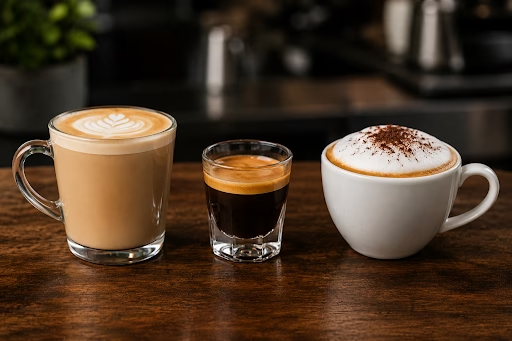
What Is Espresso?
Espresso is the foundation of many popular coffee drinks. It isn’t a specific type of coffee bean. Instead, it’s a brewing method that forces hot water through finely ground coffee under high pressure.
The result is a concentrated shot with a rich body, bold flavor, and the famous golden-brown crema on top.
A standard espresso shot typically measures about 1 ounce (30 ml). Although it tastes stronger than regular coffee, a single shot often contains less caffeine than a full mug of drip coffee because of its smaller serving size.
According to the Specialty Coffee Association (SCA), espresso extraction depends on grind size, brewing pressure, water temperature, and extraction time. These factors work together to produce balanced sweetness, acidity, and body.
Espresso Characteristics
- Rich and concentrated flavor
- Thick crema layer
- Little to no milk
- Strong aroma
- Base for many café drinks
What Is a Latte?
A latte, or caffè latte, combines espresso with steamed milk and a small layer of microfoam.
The word “latte” simply means “milk” in Italian, which explains why this drink tastes much creamier than straight espresso.
Most cafés prepare a latte using one or two espresso shots and plenty of steamed milk. The silky milk softens espresso’s bold flavor while creating a smooth, naturally sweet texture.
People who enjoy balanced coffee flavors without overwhelming bitterness often choose a latte.
What Is a Cappuccino?
A cappuccino contains espresso, steamed milk, and thick milk foam in nearly equal proportions.
Unlike a latte, a cappuccino has much more foam, giving it a lighter texture while keeping the espresso flavor more pronounced.
A well-made cappuccino feels airy, creamy, and rich at the same time.
Traditional Italian cappuccinos are usually served in smaller cups than lattes because they contain less milk.
Latte vs Espresso vs Cappuccino: The Main Differences
Understanding latte vs espresso vs cappuccino becomes much easier when you compare the basics.
Feature | Espresso | Latte | Cappuccino |
Coffee Base | Espresso only | Espresso + steamed milk | Espresso + steamed milk + thick foam |
Milk Content | None | High | Moderate |
Foam | Very little crema | Thin microfoam | Thick foam |
Flavor | Bold and intense | Smooth and creamy | Rich with balanced coffee taste |
Serving Size | Small | Medium to Large | Medium |
Best For | Strong coffee lovers | Creamy coffee fans | Those who like both coffee and foam |
Which Drink Has More Caffeine?
Many people assume lattes contain less caffeine because they taste milder.
That’s not true.
The caffeine mainly comes from the espresso shot. If all three drinks use one espresso shot, their caffeine content stays nearly the same.
The difference lies in the amount of milk added.
Milk changes flavor and texture, not caffeine.

Which Drink Tastes Stronger?
If flavor intensity matters, here’s the ranking:
- Espresso
- Cappuccino
- Latte
Espresso delivers concentrated coffee flavor.
Cappuccino balances bold espresso with airy foam.
Latte provides the smoothest experience because steamed milk softens coffee’s natural bitterness.
Milk Texture Makes a Huge Difference
Many beginners overlook milk texture.
Yet, it’s one of the biggest differences in latte vs espresso vs cappuccino.
Espresso
No milk.
Latte
Smooth steamed milk with silky microfoam.
Cappuccino
Thick, airy foam that creates a lighter mouthfeel.
Professional baristas spend years perfecting milk steaming because texture dramatically changes the drinking experience.
Espresso Coffee Recipe
If you’d like to brew espresso at home, consistency matters more than expensive equipment.
Ingredients
- Fresh espresso beans
- Filtered water
Method
- Grind coffee finely.
- Fill the portafilter evenly.
- Tamp firmly.
- Brew for around 25–30 seconds.
- Serve immediately.
This classic espresso coffee recipe produces a balanced shot with sweetness, acidity, and body.
Easy Espresso Drink Recipes
Once you master espresso, countless drinks become possible.
Popular espresso drink recipes include:
- Americano
- Flat White
- Cortado
- Macchiato
- Mocha
- Latte
- Cappuccino
- Affogato
Each recipe starts with properly extracted espresso.
Café Latte Recipe
Making café-quality coffee at home isn’t difficult.
Cafe Latte Recipe
Ingredients
- 1 espresso shot
- 200 ml steamed milk
- Thin layer of milk foam
Directions
- Brew fresh espresso.
- Steam milk until silky.
- Pour milk slowly over espresso.
- Finish with light microfoam.
This classic cafe latte recipe produces a creamy, balanced drink.
Caffè Latte Recipe
Many people search for caffe latte recipe and cafe latte recipe separately.
They’re actually the same drink.
“Caffè Latte” is simply the Italian spelling.
For extra café quality:
- Use freshly roasted beans.
- Steam milk between 55°C and 65°C.
- Pour gently for a smooth texture.
Vanilla Café Latte Recipe
Looking for something sweeter?
Try this comforting vanilla cafe latte recipe.
Ingredients
- 1 espresso shot
- Steamed milk
- 1 teaspoon vanilla syrup
- Optional cinnamon
Mix the vanilla syrup into the espresso before adding milk.
The result tastes smooth without overpowering the coffee.
Mocha Latte Recipe
Chocolate lovers rarely skip a good mocha latte recipe.
Ingredients
- Espresso
- Steamed milk
- Cocoa powder or chocolate syrup
- Light foam
Combine chocolate with espresso before pouring steamed milk.
Finish with cocoa powder if desired.
Vanilla Cappuccino Recipe
A vanilla cappuccino recipe offers the perfect balance between sweetness and bold coffee flavor.
Ingredients
- Espresso shot
- Steamed milk
- Thick milk foam
- Vanilla syrup
Prepare the espresso first.
Add vanilla syrup.
Pour steamed milk.
Top generously with foam.
Cappuccino Drink Mix Recipe
Need something quick?
A homemade cappuccino drink mix recipe works well for busy mornings.
Ingredients
- Instant espresso powder
- Powdered milk
- Cocoa powder
- Cinnamon
- Sugar (optional)
Store the mixture in an airtight container.
Mix with hot water whenever you want a fast cappuccino-inspired drink.
Best Matcha Latte Recipe
Coffee isn’t the only latte worth trying.
Many people also enjoy matcha.
Here’s a simple best matcha latte recipe.
Ingredients
- High-quality ceremonial or latte-grade matcha
- Hot water
- Steamed milk
- Honey (optional)
Whisk matcha until smooth.
Add steamed milk.
Sweeten if preferred.
Matcha provides caffeine too, but through naturally occurring compounds found in green tea.
Choosing the Right Coffee Beans
Even the best recipe won’t shine without quality beans.
Look for:
- Fresh roast date
- Whole beans
- Proper storage
- Reputable roasters
Grinding immediately before brewing preserves aroma and flavor.
Common Mistakes People Make
Many home brewers unknowingly reduce coffee quality.
Avoid these mistakes:
- Using stale beans
- Grinding too early
- Overheating milk
- Poor espresso extraction
- Incorrect coffee-to-water ratio
Even small improvements noticeably enhance flavor.
Which Drink Should You Choose?
Your ideal drink depends on your preferences.
Choose espresso if you enjoy bold, concentrated coffee.
Choose a latte if you prefer creamy, mellow flavors.
Choose a cappuccino if you want equal parts coffee richness and airy foam.
There’s no wrong answer.
The best coffee is the one you genuinely enjoy.
Why Coffee Quality Matters
High-quality coffee doesn’t rely on fancy toppings or excessive sugar.
Fresh beans, skilled brewing, clean equipment, and proper milk steaming create exceptional drinks naturally.
That’s why specialty cafés focus heavily on sourcing, roasting, and brewing techniques rather than simply adding flavored syrups.
Experience Better Coffee at Zelda Coffee Bar
Whether you’re discovering the differences between latte vs espresso vs cappuccino or searching for expertly crafted coffee drinks, Zelda Coffee Bar offers beverages prepared with attention to detail and quality ingredients.
From classic espresso drinks to creamy lattes and perfectly foamed cappuccinos, every cup reflects careful brewing practices that highlight the coffee’s natural character.
If you’re exploring new flavors, the team at Zelda Coffee Bar can also recommend seasonal specialties, milk alternatives, or personalized drink options based on your preferences.
Frequently Asked Questions (FAQ’s)
Is a latte stronger than a cappuccino?
Not necessarily. If both drinks contain the same number of espresso shots, their caffeine content is similar. A latte simply contains more steamed milk, making the coffee flavor taste milder.
Why does espresso taste more bitter?
Espresso is highly concentrated. Because it contains little or no milk, its natural bitterness, acidity, and sweetness become much more noticeable.
Can I make café-quality coffee at home?
Yes. Fresh beans, a quality grinder, proper espresso extraction, and correctly steamed milk make a significant difference. Practice improves consistency over time.
What's the difference between a café latte and a caffè latte?
There isn’t one. “Caffè latte” is the Italian spelling, while “cafe latte” is the commonly used English version. Both refer to espresso with steamed milk and a light layer of foam.
Which coffee drink is best for beginners?
A latte is often the easiest starting point because the steamed milk creates a smooth, approachable flavor while still letting you enjoy the character of espresso.
Final Thoughts
Understanding latte vs espresso vs cappuccino helps you appreciate what goes into every cup rather than simply choosing a drink by name. Espresso delivers bold intensity, a latte offers creamy comfort, and a cappuccino strikes a satisfying balance between rich coffee and airy foam.
Once you know the basics, experimenting becomes part of the fun. Try an espresso coffee recipe to master the fundamentals, explore different espresso drink recipes, prepare a comforting cafe latte recipe or caffe latte recipe, indulge in a mocha latte recipe, sweeten your day with a vanilla cafe latte recipe or vanilla cappuccino recipe, mix up a convenient cappuccino drink mix recipe, or branch out with the best matcha latte recipe when you’re in the mood for something different.
Great coffee starts with fresh ingredients, proper technique, and a willingness to learn. Whether you’re brewing at home or enjoying a handcrafted beverage at Zelda Coffee Bar, understanding these classic drinks ensures you’ll always order or make the perfect cup.
Sources
- Specialty Coffee Association (SCA): Coffee Standards and Brewing Resources — https://sca.coffee
- National Coffee Association USA: Coffee Brewing Guide — https://www.ncausa.org
- World Coffee Research: Coffee Varieties and Processing — https://worldcoffeeresearch.org